

Table of Contents
- What Fusion Coffee Actually Is (and What You're Paying For)
- Benefits of Low Acid Coffee for Sensitive Stomachs
- Matcha Infused Coffee Benefits: Energy Without the Crash
- Cost Per Cup: Is Fusion Coffee Worth the Price Compared to Alternatives?
- Flavor Profile and Roast Options: What to Expect in the Cup
- Storage, Freshness, and Shelf Life: Hidden Value Factors
- Pros, Cons, and Who Should Buy Fusion Coffee
- Verdict: Our Final Take on Fusion Coffee's Value
Last Updated: August 18, 2026
Most coffee drinkers have wondered whether paying more for specialty blends delivers real value. Tieman's Fusion Coffee combines specialty-grade arabica with functional ingredients like matcha, rooibos, and goji berry, a genuinely different category from mass-market coffee and standard single-origin roasts. Below, we break down what you're actually paying for and who should buy it.
What Fusion Coffee Actually Is (and What You're Paying For)
Fusion coffee blends high-grade arabica beans with functional plant-based ingredients to deliver benefits beyond caffeine alone. Unlike flavored coffee, where compounds are added after roasting, fusion coffee integrates functional ingredients into the blend itself, changing both the sensory experience and physiological effect.
Specialty Grade Arabica as the Base
Specialty grade arabica, as defined by the Specialty Coffee Association's grading standards, scores above 80 on a 100-point cupping scale. Arabica from Central and South America produces a cleaner cup with less bitterness and more complex flavor than robusta-heavy blends. The naturally lower acidity matters significantly for sensitive stomachs, and consistent roasting prevents harsh, bitter compounds that contribute to poor flavor and digestive irritation.
The Functional Additive Question: Matcha, Rooibos, and Goji Berry
Matcha contributes L-theanine, an amino acid that produces a smoother, more sustained energy curve. Rooibos is naturally caffeine-free and rich in aspalathin, an antioxidant found nowhere else. Goji berry adds secondary antioxidants and has a long history in traditional wellness practices.
These ingredients do contribute meaningfully to the sensory profile and overall antioxidant load, though specific concentrations depend on roast temperature and brewing method. They do not replace dedicated matcha or rooibos beverages for therapeutic doses.
Benefits of Low Acid Coffee for Sensitive Stomachs
Low acid coffee is formulated to reduce chlorogenic acids and other compounds that stimulate gastric acid production, resulting in a gentler effect on the digestive system. This matters most for the roughly one in five adults who experience chronic digestive discomfort from standard coffee.
pH Levels and Digestive Comfort
Standard brewed coffee typically registers between pH 4.85 and 5.10. Tieman's Fusion Coffee reports a pH range of 5.75 to 5.97, meaningfully higher and therefore less acidic than most commercial options. The National Institute of Diabetes and Digestive and Kidney Diseases overview of GERD identifies acidic beverages as common reflux triggers.
A higher pH does not mean flat taste. Well-roasted low-acid arabica delivers complexity and body without the sharp, stomach-clenching quality that drives many away from coffee entirely.
Who Gains the Most From a Low-Acid Formula
The clearest beneficiaries are people with diagnosed GERD, acid reflux, or functional dyspepsia who have eliminated coffee from their diet. Athletes and high-performance individuals also benefit, as training on a compromised digestive system is counterproductive. Busy parents drinking coffee on an empty stomach reduce the risk of that familiar hollow, acidic feeling.
Matcha Infused Coffee Benefits: Energy Without the Crash
The matcha infused coffee benefits come down to one mechanism: L-theanine moderates caffeine absorption. Standard coffee delivers a fast spike, causing jitters and mid-morning crashes. When matcha is present, L-theanine slows absorption and promotes alpha brain wave activity, associated with calm, focused alertness.
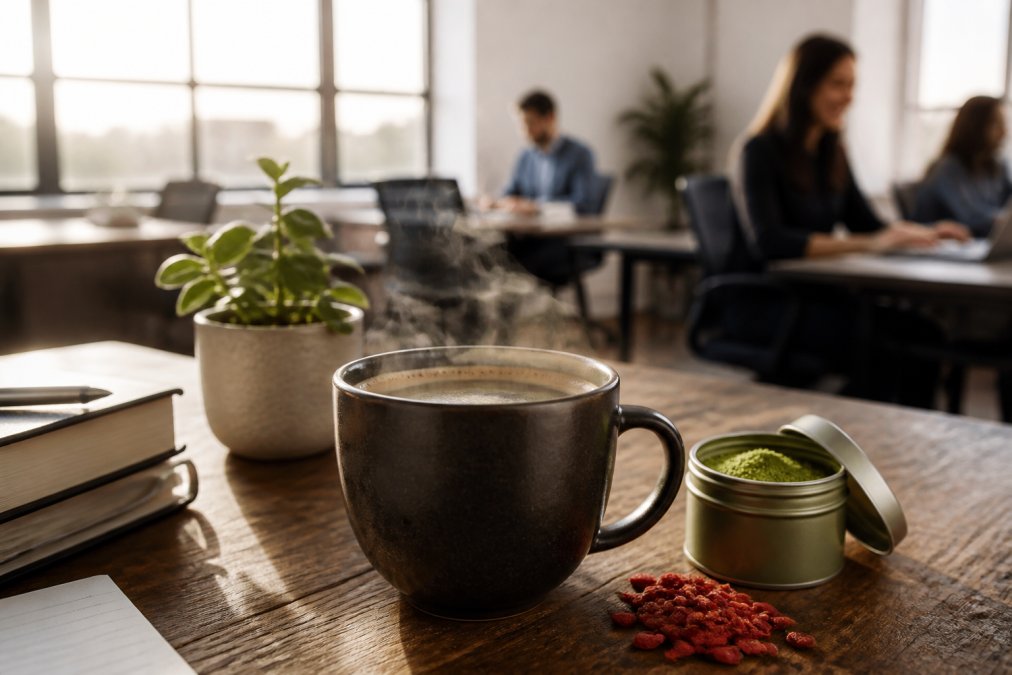
The practical result is a longer, flatter energy curve sustaining through two to three hours without abrupt drops. This is particularly relevant for those who find matcha lattes too grassy on their own. When blended into dark or medium roast arabica, the coffee's roasted bitterness balances the green, herbaceous notes.
Cost Per Cup: Is Fusion Coffee Worth the Price Compared to Alternatives?
A 10 oz bag of ground coffee typically yields roughly 20 to 22 six-ounce cups. When comparing fusion coffee to standard specialty roast, the question is not just per-bag cost but what you are replacing.
The Diminishing Returns Threshold
Beyond a certain quality level, incremental improvements in bean grade and roast precision produce smaller sensory gains. Most experienced drinkers place that threshold in the mid-range specialty tier.
Fusion coffee sidesteps this by adding different value. You are not just paying for better-tasting coffee, you are paying for a coffee that replaces a separate matcha supplement, rooibos tea, or antioxidant capsule. When accounting for combined costs of those substitutes, the per-cup math often shifts in fusion coffee's favor.
Objective Cost-Benefit Analysis of Functional Additives
Many wellness consumers already spend money on matcha powder, adaptogen supplements, or antioxidant blends alongside daily coffee. Buying separately means managing multiple products and purchase cycles.
| What You Might Replace | Format | Notes |
|---|---|---|
| Daily matcha supplement | Capsule or powder | Separate preparation required |
| Rooibos tea | Loose leaf or bags | Second beverage in routine |
| Antioxidant supplement | Capsule | Additional purchase, no sensory benefit |
| Standard specialty coffee | Ground or whole bean | No functional additive layer |
The consolidated value of a fusion coffee blend covering all of these in a single cup is real, provided functional ingredients are present in meaningful concentrations.
Flavor Profile and Roast Options: What to Expect in the Cup
Expect a smooth, medium-bodied cup with lower perceived acidity than most specialty coffees. The arabica base tends toward mild sweetness, gentle nuttiness, and clean finish. Rooibos adds subtle earthiness without bitterness. Matcha contributes faint herbal notes most detectable in medium roast.
- Medium Roast: Brighter acidity, more pronounced matcha character, lighter body
- Dark Roast: Deeper roasted notes, lower acidity, fuller body, minimal matcha influence
- Decaf: Closest to medium roast profile, slightly less complexity
Roast consistency is critical because over-roasting degrades aromatic compounds and heat-sensitive botanicals. A well-executed dark roast should not taste burnt or flat.
Blind Taste Test Methodology and What It Reveals
Blind taste tests reveal that drinkers expecting grassy or medicinal taste from matcha-infused coffee are frequently surprised. The dominant sensory experience is still coffee. Functional ingredients modulate background character rather than announcing themselves. Aftertaste is typically cleaner and shorter than standard dark roasts.
According to sensory science research published by the Institute of Food Technologists, expectation priming significantly affects flavor perception in functional food products, making blind methodology essential for honest evaluation.
Storage, Freshness, and Shelf Life: Hidden Value Factors
Coffee begins degassing immediately after roasting, and aromatic compounds oxidize progressively from the moment the bag opens. For functional blends, botanical ingredients also degrade over time.
Whole bean retains freshness significantly longer than pre-ground. If buying ground fusion coffee, peak flavor shelf life is typically two to three weeks after opening. Whole bean extends that to four to six weeks under proper storage.
Proper storage means:
- Airtight container: Preferably one with a one-way CO2 valve
- Room temperature: Avoid refrigerators (moisture) and freezers except for long-term sealed storage
- Away from light: UV exposure accelerates oxidation
- Away from strong odors: Coffee absorbs ambient aromas readily
A higher-quality fusion coffee stored correctly outperforms cheaper alternatives stored carelessly. Extraction yield drops as coffee ages, meaning stale coffee wastes money regardless of starting quality.
Pros, Cons, and Who Should Buy Fusion Coffee
Pros:
- Low acid formula makes it accessible to people who eliminated coffee for digestive reasons
- L-theanine produces smoother, sustained energy without jitter-and-crash cycles
- Combines multiple functional ingredients into a single daily ritual
- 100% arabica base delivers genuine specialty-grade flavor
- Available in medium, dark, and decaf options
- Naturally occurring antioxidants add nutritional value without artificial additives
Cons:
- Costs more than conventional coffee
- Primarily available online, requiring advance planning
- Functional ingredient concentrations are proprietary, not independently verified
- Not ideal for drinkers wanting maximum caffeine intensity
Who should buy it:
- Adults with GERD, acid reflux, or sensitive stomachs who miss drinking coffee
- Wellness-focused professionals wanting sustained focus without jitter
- Athletes needing reliable pre-training energy without digestive disruption
- Anyone already spending money on matcha, rooibos, or antioxidant supplements separately
Who should skip it:
- Drinkers prioritizing maximum caffeine above all else
- Those whose primary criterion is lowest per-bag price
- People preferring light roast, high-acidity single-origin coffee

Verdict: Our Final Take on Fusion Coffee's Value
Is fusion coffee worth the price? For the right buyer, yes, by a clear margin.
The value case is strongest for people dealing with acid-related coffee problems, already spending money on functional supplements, or finding standard coffee too jittery and short-lived. For those buyers, fusion coffee is not a more expensive version of regular coffee, it is a different product replacing several things at once while delivering a better sensory experience.
The value case is weakest for drinkers happy with standard coffee, with no digestive issues, and not seeking functional benefits beyond caffeine.
Tieman's Fusion Coffee exemplifies this category done correctly: specialty-grade arabica base, proprietary matcha-rooibos-goji berry blend contributing real functional value, low-acid formula expanding who can drink coffee comfortably, and roast options covering full preference range. According to USDA National Organic Program guidelines on organic certification, transparency in ingredient sourcing is a baseline expectation for premium functional food products.
The per-cup math works in fusion coffee's favor when accounting for what it replaces. The sensory experience holds up in blind evaluation. Functional benefits are grounded in established science around L-theanine, rooibos antioxidants, and low-acid formulation.
| Factor | Standard Specialty Coffee | Fusion Coffee |
|---|---|---|
| Acid level | Moderate to high | Low (pH 5.75-5.97) |
| Energy curve | Fast spike, shorter duration | Sustained, modulated by L-theanine |
| Functional ingredients | None | Matcha, rooibos, goji berry |
| Digestive comfort | Variable | Designed for sensitive stomachs |
| Supplement consolidation | None | Replaces multiple separate products |
| Roast options | Varies by brand | Medium, dark, decaf |
| Best for | Flavor-focused drinkers | Performance and wellness-oriented drinkers |
If you have never tried matcha-infused coffee and are skeptical, start with the dark roast, it is the most forgiving entry point.
For deeper context on how functional botanicals interact with caffeine metabolism, the Harvard T.H. Chan School of Public Health's overview of tea and health provides useful information on L-theanine's documented effects.
The real challenge with premium functional coffee is knowing whether the premium is justified for your situation. If acid reflux has pushed you away from coffee, if jitters limit your caffeine intake, or if you are already buying matcha and antioxidant supplements separately, Tieman's Fusion Coffee addresses all three problems in a single cup. The low-acid formula, proprietary fusion blend, and 100% arabica base are not marketing language, they are the actual mechanism behind why this product works differently. Shop Tieman's Fusion Coffee and find out which roast fits your routine.
Frequently Asked Questions
What makes fusion coffee different from standard specialty coffee blends?
Standard specialty coffee focuses on single-origin sourcing, roast profiles, and cupping notes. Fusion coffee adds functional ingredients, in Tieman's case, matcha green tea, rooibos red tea, and goji berry, directly into the blend. The goal is to combine the sensory experience of 100% Arabica coffee with antioxidants, minerals, and a lower-acid formula that standard gourmet roasts don't offer. The result is a beverage designed for both flavor and daily performance support, not just taste.
Does low-acid coffee actually taste different from regular coffee?
Low-acid coffee tends to taste smoother and less sharp than conventional roasts. The reduced acidity softens the bite that many drinkers associate with dark or medium roasts, which can make the body and aftertaste more noticeable. For people with acid reflux or sensitive stomachs, this difference is significant, the cup feels gentler from the first sip. Tieman's Fusion Coffee reports a pH range of 5.75 to 5.97, which sits meaningfully above the acidity level of most standard brews.
How does the caffeine content in fusion coffee compare to traditional roasts?
Fusion coffee built on 100% Arabica beans generally contains slightly less caffeine per cup than robusta-based blends. When matcha is added to the blend, the combination introduces L-theanine alongside caffeine. L-theanine is an amino acid associated with calmer, more sustained alertness rather than a sharp spike. For caffeine-sensitive drinkers, this combination is often reported as producing focus without the jitteriness or rapid heart rate that straight espresso or dark roast can trigger.
Are there real performance benefits to drinking antioxidant-rich coffee daily?
Antioxidants from ingredients like matcha, rooibos, and goji berry help neutralize oxidative stress in the body. Rooibos is naturally caffeine-free and contains aspalathin, a compound studied for its anti-inflammatory properties. Goji berry contributes vitamins and minerals. While no coffee blend replaces a balanced diet, consistently consuming antioxidant-rich beverages supports cellular health over time. The benefit is cumulative rather than immediate, most users report noticing changes in energy consistency and digestion after several weeks of daily use.
Is fusion coffee worth the price if you already buy specialty single-origin beans?
Single-origin specialty beans deliver exceptional terroir-driven flavor and supply chain transparency, but they don't include functional ingredients. If your priority is cupping notes and roast consistency alone, premium single-origin may suit you better. If you want digestive comfort, sustained energy from matcha, and antioxidant support built into each cup without buying separate supplements, fusion coffee offers consolidated value. The price-to-quality ratio depends on what you're optimizing for, taste alone, or taste plus daily functional benefits.
This article was written using GrandRanker