

Table of Contents
- What Low Acid Coffee for Reflux Actually Means
- How Caffeine and Roast Level Affect Acid Reflux
- Is Cold Brew Coffee Better for Acid Reflux?
- How to Reduce Coffee Acidity Without Giving Up Your Cup
- Coffee Alternatives for Acid Reflux Worth Trying
- Tracking Your Symptoms: The Step Most Reflux Sufferers Skip
- How Low Acid Coffee Blends Like Tieman's Approach the Problem
- Conclusion
Last Updated: August 19, 2026
What Low Acid Coffee for Reflux Actually Means
Low acid coffee for reflux is coffee that has been processed, roasted, or blended to reduce the concentration of acidic compounds that irritate the stomach lining and esophagus. The promise is real, but the marketing around it is often misleading. At Tieman's Fusion Coffee, we've spent years working through exactly this problem: how do you give reflux sufferers a cup they can actually enjoy without triggering symptoms?
The short answer is that "low acid" is not a single thing. It refers to a spectrum of processing choices, roast levels, and brewing methods that collectively reduce the irritant load on your digestive system. Below, we'll break down what the science actually supports, what's marketing spin, and what practical steps genuinely help.
pH Levels and Chlorogenic Acid: The Real Numbers
Chlorogenic acid is the primary acidic compound in coffee and one of the main triggers for stomach upset and esophageal irritation. Standard brewed coffee typically sits in the pH 4.5 to 5.0 range, making it moderately acidic. Coffees marketed as "low acid" aim for a higher pH closer to 5.5 or above, though the difference in practice is often modest.
The more clinically relevant factor is not pH alone but the concentration of chlorogenic acids and other irritating compounds. According to the American Chemical Society's research on coffee chemistry, roasting and brewing variables significantly alter the chlorogenic acid content in the final cup. This matters because your stomach responds to specific chemical irritants, not just overall acidity.
Scientific Nuance vs. Marketing Claims
Here's where most guides get it wrong. Many brands slap a "low acid" label on dark roast coffee and call it done. The reality is more complicated. Roasting does reduce chlorogenic acid content, but it also produces other compounds, including N-methylpyridinium, that may have a protective effect on the stomach lining. However, dark roast also concentrates other irritants and retains caffeine in amounts that independently worsen reflux.
The honest position: low acid coffee can reduce one class of irritants, but it is rarely a complete fix for gastroesophageal reflux disease on its own. Treat it as one tool in a broader symptom management strategy, not a cure.
How Caffeine and Roast Level Affect Acid Reflux
Most reflux sufferers focus on acidity and overlook the other major driver of their symptoms: caffeine itself.
Caffeine's Effect on the Lower Esophageal Sphincter
Caffeine relaxes the lower esophageal sphincter, the muscular valve that keeps stomach acid from traveling back up into the esophagus. When that valve loses tone, acid reflux and regurgitation follow. This is a pharmacological effect, not just an acidity issue. Even a low-acid coffee with full caffeine content can trigger heartburn in people with caffeine sensitivity or gastroesophageal reflux disease.
According to the American College of Gastroenterology's GERD clinical guidelines, caffeine is consistently identified as a trigger food for esophageal irritation. This is why gastroenterologist recommendations for reflux management almost universally include reducing or eliminating caffeine, not just switching coffee types.
Dark Roast vs. Light Roast: Which Is Easier on Your Stomach
Dark roast wins this comparison for reflux sufferers, but not for the reason most people assume. The roasting process breaks down a significant portion of the chlorogenic acids present in green coffee beans. A longer, hotter roast means fewer of these acidic compounds survive into your cup.
Light roast coffee retains more chlorogenic acid, higher bioavailability of caffeine, and a brighter, more acidic flavor profile. For someone with gastritis or a sensitive stomach, light roast is typically the harder option to tolerate. Single-origin light roasts, while prized by specialty coffee enthusiasts, are often the worst choice for reflux management.
The practical recommendation: if you're choosing between roast levels without other modifications, go darker. Pair that with a lower-caffeine or decaf option for the most meaningful acidity reduction.
Is Cold Brew Coffee Better for Acid Reflux?
Cold brew coffee is genuinely better for acid reflux in most cases, and the reason is grounded in basic extraction chemistry. Cold brew uses cold water over a long brewing time, typically 12 to 24 hours, rather than hot water. This slower, cooler extraction process produces significantly fewer acidic compounds than hot brewing methods.
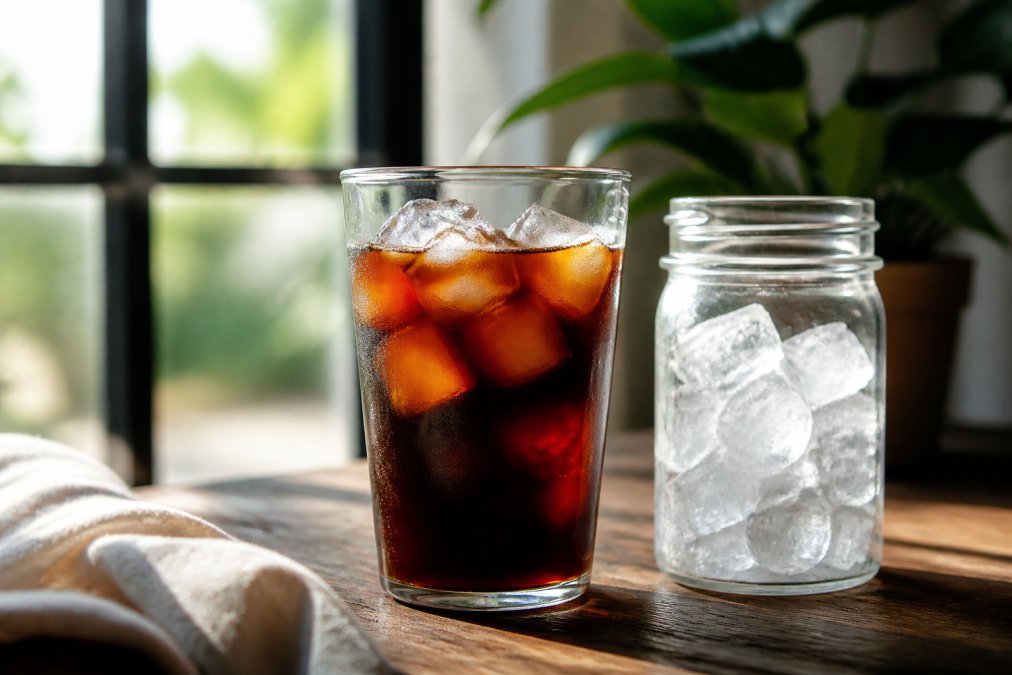
The reduced water temperature means that many of the volatile acidic compounds that hot water pulls from coffee grounds simply do not extract. The result is a concentrate that many reflux sufferers find noticeably easier on their digestive system. That said, cold brew is not caffeine-free. Standard cold brew often contains more caffeine per ounce than hot coffee because of the longer steeping time, which means the lower esophageal sphincter effect remains a concern.
The verdict on whether cold brew is better for acid reflux: yes, for acidity reduction specifically. No, if caffeine is your primary trigger. The best approach is cold brew made with a low-caffeine or decaf bean, which addresses both variables simultaneously.
How to Reduce Coffee Acidity Without Giving Up Your Cup
Giving up coffee is not the only option for reflux sufferers. Several brewing and preparation techniques meaningfully reduce the irritant load without requiring a complete lifestyle change.
Brewing Technique Optimization
The way you brew coffee affects its final acidity as much as the bean itself. Here are the modifications that make the most practical difference:
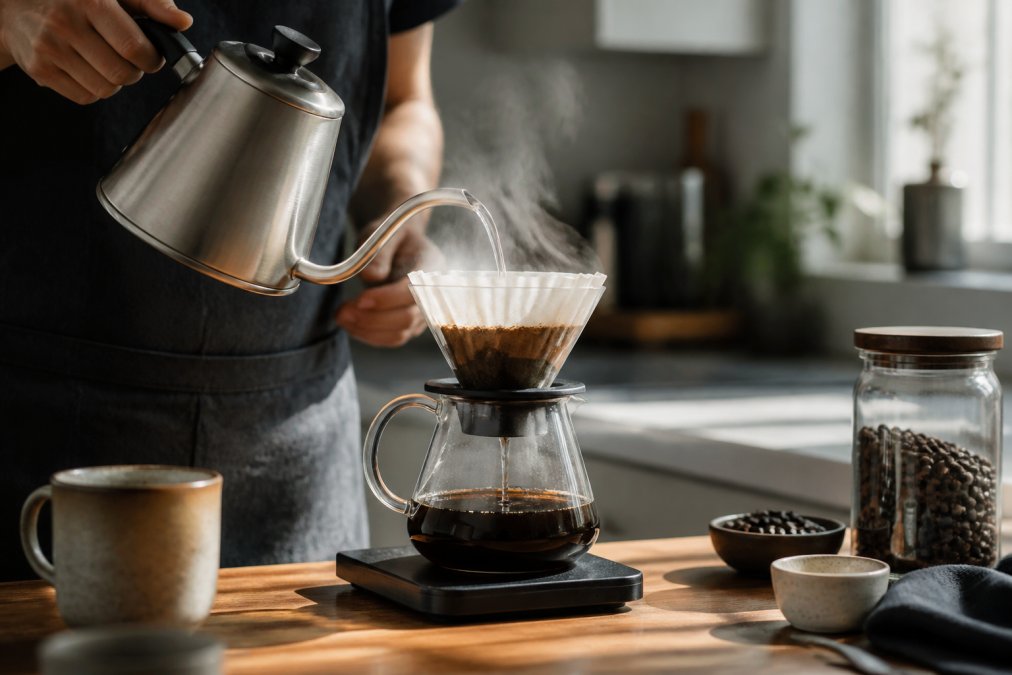
- Use coarser grinds. Finer grinds increase surface area and extract more acidic compounds. A coarser grind, particularly for pour-over or French press, reduces overall extraction of irritants.
- Lower your water temperature. Brewing at 185-195°F instead of the standard 200-205°F reduces chlorogenic acid extraction. It also softens bitterness.
- Shorten your brew time. Over-extraction concentrates acidic compounds. Pull your pour-over a little earlier, or reduce your French press steep time by 30 seconds.
- Use a paper filter. Unfiltered coffee (French press, espresso without a paper filter) allows more coffee oils and fine particles into the cup, which can aggravate gastritis. Paper filters trap these compounds.
- Try cold brew at home. A mason jar, coarse-ground coffee, and cold water left in the refrigerator overnight is all you need. Dilute the concentrate 1:1 with water or milk before drinking.
The Role of Additives in Neutralizing Acidity
What you add to your coffee can shift its effective acidity in meaningful ways. A small pinch of baking soda, roughly a quarter teaspoon per cup, raises the pH of your brew without dramatically affecting flavor. This is a well-known folk remedy that has a legitimate chemical basis: baking soda is alkaline and directly neutralizes acidic compounds in the cup.
Dairy milk and plant-based milks also buffer acidity. Oat milk and whole dairy milk tend to be the most effective at neutralizing stomach acid on contact. Avoid adding citrus or flavored syrups, which introduce additional acidic compounds and worsen reflux symptoms.
Coffee Alternatives for Acid Reflux Worth Trying
Some people reach a point where even optimized coffee remains a reliable trigger. These alternatives provide caffeine or a similar ritual without the same reflux risk.
Chicory root coffee is the most established alternative. Chicory root is roasted and brewed similarly to coffee, producing a dark, slightly bitter drink with no caffeine and a naturally lower acidity. It contains inulin, a prebiotic fiber that supports gut health rather than irritating it. The flavor is close enough to coffee that many people find the transition manageable.
Mushroom coffee blends have grown in popularity for reflux sufferers. These blends typically combine a small amount of actual coffee with adaptogenic mushroom extracts, which dilutes the caffeine content and may reduce overall acidity. The evidence for mushroom-specific benefits on reflux is limited, but the reduced caffeine load is a real advantage.
Rooibos tea is naturally caffeine-free, has a low tannin content, and is alkaline rather than acidic. It is one of the few hot beverages that actively supports rather than irritates the stomach lining. For people who need to eliminate coffee entirely, rooibos provides a warm, satisfying ritual without any of the reflux triggers.
According to the National Institutes of Health's database on dietary supplements and digestive health, plant-based alternatives like chicory and rooibos show favorable profiles for individuals managing gastritis and esophageal irritation.
Tracking Your Symptoms: The Step Most Reflux Sufferers Skip
The biggest mistake most people make with reflux management is treating it as a binary: coffee is either fine or it isn't. The reality is that reflux has multiple triggers, and coffee interacts differently with each person's digestive system depending on timing, quantity, food intake, stress levels, and sleep quality.
A simple symptom log changes this. Track what you drank, when you drank it, what you ate beforehand, and whether you experienced heartburn, regurgitation, or stomach upset within two hours. Do this for two weeks. The patterns that emerge will tell you more than any general guide can.
Common findings from this kind of tracking:
- Coffee on an empty stomach is the trigger, not coffee itself
- The second cup of the day causes symptoms; the first does not
- Symptoms appear only when combined with specific trigger foods like tomatoes or citrus
- Decaf eliminates symptoms entirely, isolating caffeine as the cause
This data also gives you something useful to bring to a gastroenterologist appointment. Symptom tracking transforms a vague complaint into a documented pattern, which leads to faster, more targeted recommendations.
How Low Acid Coffee Blends Like Tieman's Approach the Problem
The most sophisticated low acid coffee products do not rely on a single modification. They combine multiple acidity-reduction strategies into one formula.
Tieman's Fusion Coffee takes this approach with its proprietary fusion process, blending 100% Arabica coffee with matcha, rooibos, and goji berry. Each ingredient plays a specific role. Arabica beans naturally contain less chlorogenic acid than Robusta varieties, making them the better starting point for reflux-friendly coffee. Rooibos is alkaline and caffeine-free, directly buffering the acidity of the coffee base. Matcha contributes a slower, more sustained caffeine release compared to the rapid spike of standard coffee, which may reduce the intensity of lower esophageal sphincter relaxation.
The result is a cup that addresses acidity, caffeine dynamics, and digestive comfort simultaneously rather than treating each as a separate problem. Tieman's offers medium, dark, and decaf options, so reflux sufferers can select the caffeine level that matches their individual tolerance. For people who have previously given up coffee entirely due to acid reflux, a decaf low-acid blend built on this kind of multi-ingredient foundation is the most logical re-entry point.
| Factor | Standard Coffee | Low Acid Coffee Approach |
|---|---|---|
| Bean type | Robusta or Arabica blend | 100% Arabica |
| Roast level | Variable | Medium to dark preferred |
| Chlorogenic acid | High | Reduced via roasting |
| Caffeine | High | Reduced or decaf option |
| Additives | None | Alkaline ingredients (e.g., rooibos) |
| Best for | General use | Sensitive stomachs, GERD management |
What most reviews miss is that ingredient synergy matters more than any single "low acid" claim. A coffee that reduces acidity but keeps full caffeine still triggers reflux through the lower esophageal sphincter pathway. A coffee that reduces caffeine but stays highly acidic still irritates the stomach lining. The only complete solution addresses both pathways.
Managing acid reflux while keeping coffee in your life is genuinely possible, but it requires more than grabbing whatever bag has "low acid" on the label. The variables that matter are chlorogenic acid content, caffeine level, brewing method, and what you add to the cup. Tieman's Fusion Coffee was built around exactly this problem, combining 100% Arabica coffee with rooibos, matcha, and goji berry to reduce acidity and smooth out caffeine delivery in a single cup. If you've given up on coffee because of reflux, this is the place to start again. Shop Tieman's Fusion Coffee and find the roast that works for your stomach.
Frequently Asked Questions
Which coffee is least acidic for acid reflux?
Dark roast, single-origin beans, and cold brew preparations tend to be the least acidic options for people with reflux. Dark roasting reduces chlorogenic acid content and produces n-methylpyridinium, a compound that may actually help reduce stomach acid stimulation. Cold brew extraction, which uses cold water over a long brewing time, pulls fewer acidic compounds from the grounds. Low acid coffee blends that combine 100% Arabica beans with alkaline-leaning botanicals can also help minimize esophageal irritation.
Does dark roast coffee have less acid than light roast?
Yes, in most cases. The roasting process breaks down chlorogenic acids, so darker roasts contain measurably lower levels of these acidic compounds than light roasts. Dark roast also produces more n-methylpyridinium, which research suggests may suppress stomach acid secretion. That said, caffeine still relaxes the lower esophageal sphincter regardless of roast level, so caffeine sensitivity remains a separate factor for people managing gastroesophageal reflux disease or gastritis.
What can I replace coffee with if I have acid reflux?
Chicory root coffee is one of the most popular caffeine-free swaps, it brews similarly to coffee and is naturally gentle on the stomach lining. Rooibos tea is another low-irritant option with antioxidant properties and no caffeine. Mushroom-based coffee blends offer earthy flavor without the acidity. For those who want to keep some caffeine, a low acid fusion blend with botanicals like rooibos and matcha can deliver sustained energy with significantly less digestive system irritation than standard coffee.
How does Tieman's Fusion Coffee differ from standard low-acid blends?
Most standard low-acid coffees focus only on bean selection or roast level to reduce acidity. Tieman's Fusion Coffee takes a different approach by blending 100% Arabica coffee with matcha, rooibos, and goji berry through a proprietary fusion process. This combination targets both pH level reduction and caffeine delivery, matcha provides a more gradual caffeine release, rooibos adds alkaline minerals, and goji berry contributes antioxidants. The result is a cup designed for digestive comfort alongside clean, sustained energy rather than treating low acidity as the sole goal.
This article was written using GrandRanker