

The best coffee beans are the ones that taste great to you, sit well in your stomach, and fit the rhythm of your day. In practice, that usually means fresh, 100% Arabica beans with a roast you enjoy and clear sourcing behind them.
Quick answer: Choose 100% Arabica, pick a roast that matches your taste, and favor brands that name their sources and test their coffee. If you are sensitive to acidity, look for low-acid blends.
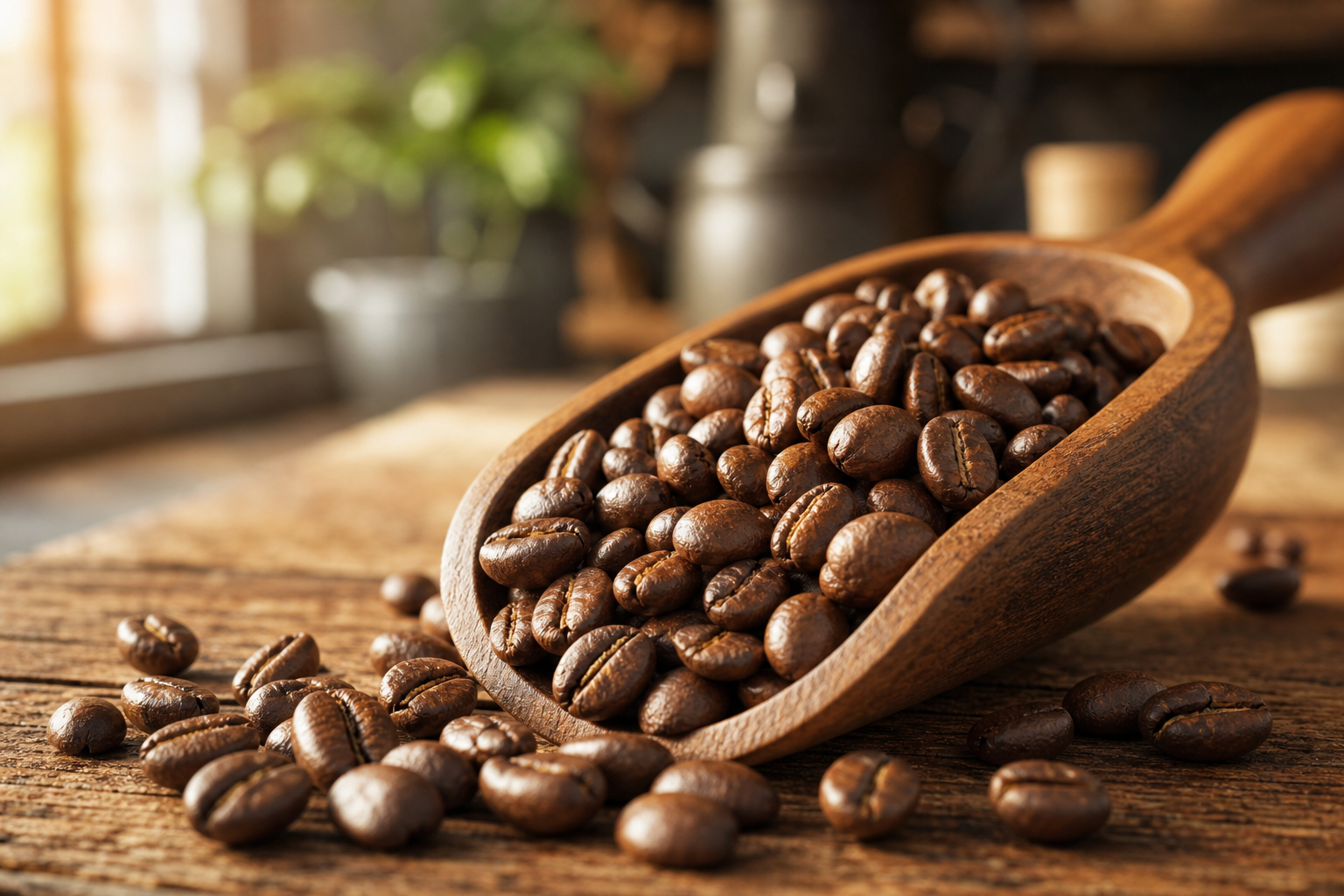
A fresh scoop of whole beans: the starting point for any great cup of the best coffee beans.
What Are the Best Coffee Beans?
There is no single winner, because "best" depends on your goal. However, a few qualities separate great beans from average ones. They are fresh, well roasted, traceable, and matched to how you actually drink coffee.
For a deeper primer, see this coffee bean guide to types, roasts, and how to choose.
Arabica vs. Robusta: Start With the Species
Two species dominate the coffee world. Arabica is the one most specialty roasters prefer. The Coffea arabica plant produces beans with sweeter, smoother, more complex flavor.
Robusta, by contrast, has more caffeine and a sharper, more bitter taste. As a result, it often appears in instant coffee and some espresso blends. If flavor and comfort matter most, Arabica is the safer bet. Our explainer on why Arabica coffee beans matter goes further.
Choosing a Roast Level You Will Love
Roast level shapes flavor more than almost anything else. Lighter roasts taste brighter and fruitier. Darker roasts taste rounder, richer, and more chocolatey.
| Roast | Flavor | Good for |
|---|---|---|
| Medium | Balanced, smooth | Everyday mornings |
| Dark | Bold, rich | Long workdays, espresso-style cups |
| Semi-dark decaf | Mellow, full | Afternoons and evenings |
Why Acidity Matters for Comfort
Some drinkers love bright coffee. Others feel it in their stomach. For them, low-acid coffee can make the daily cup far more comfortable.
Tieman's makes low-acid Fusion Coffee from 100% Arabica. Its blends are tested by third-party lab Brunswick Labs for antioxidants, minerals, and pH, so the claims are backed by data rather than guesswork. You can also browse low-acid whole bean dark roast brands to compare options.
A gentle morning routine starts with beans that suit your digestion.
Top Coffee Beans for Steady Energy
If you want energy without jitters or a crash, look beyond caffeine alone. Functional coffee adds ingredients chosen for a purpose. Tieman's Fusion Process brews whole matcha, rooibos, and goji directly into every cup, rather than adding powders or extracts later.
- Matcha: ceremonial grade, sourced from Aiya, a Japanese producer operating since 1888.
- Rooibos: sourced from Khoisan Gourmet in South Africa's Western Cape.
- Goji berries: sourced from growing regions in China.
- Minerals: the coffee contains naturally occurring magnesium, potassium, iron, and zinc.
The beans are roasted by a family-owned U.S. roaster with more than 100 years of experience. For a whole bean option, try Tieman's Dark Fusion Whole Bean.
How to Choose the Best Coffee Beans in 5 Steps
- Define your goal. Decide whether you want bold flavor, steady energy, gentle digestion, or a caffeine-free evening option.
- Pick the species. Start with 100% Arabica for smoother flavor.
- Choose a roast. Medium, dark, or semi-dark decaf, depending on taste and time of day.
- Check sourcing and testing. Look for named sources, a clear roaster, and third-party lab results.
- Buy small, brew fresh. Try one bag, store it airtight, and adjust after a week.
Whole Bean or Ground: Which Is Better?
Whole beans hold their aroma longer because less surface is exposed to air. Grinding just before brewing gives the freshest flavor. Ground coffee, on the other hand, saves time and works well for busy mornings or office pots.
Whichever you choose, store coffee in an airtight container away from heat, light, and moisture. The Specialty Coffee Association offers further brewing and quality resources.
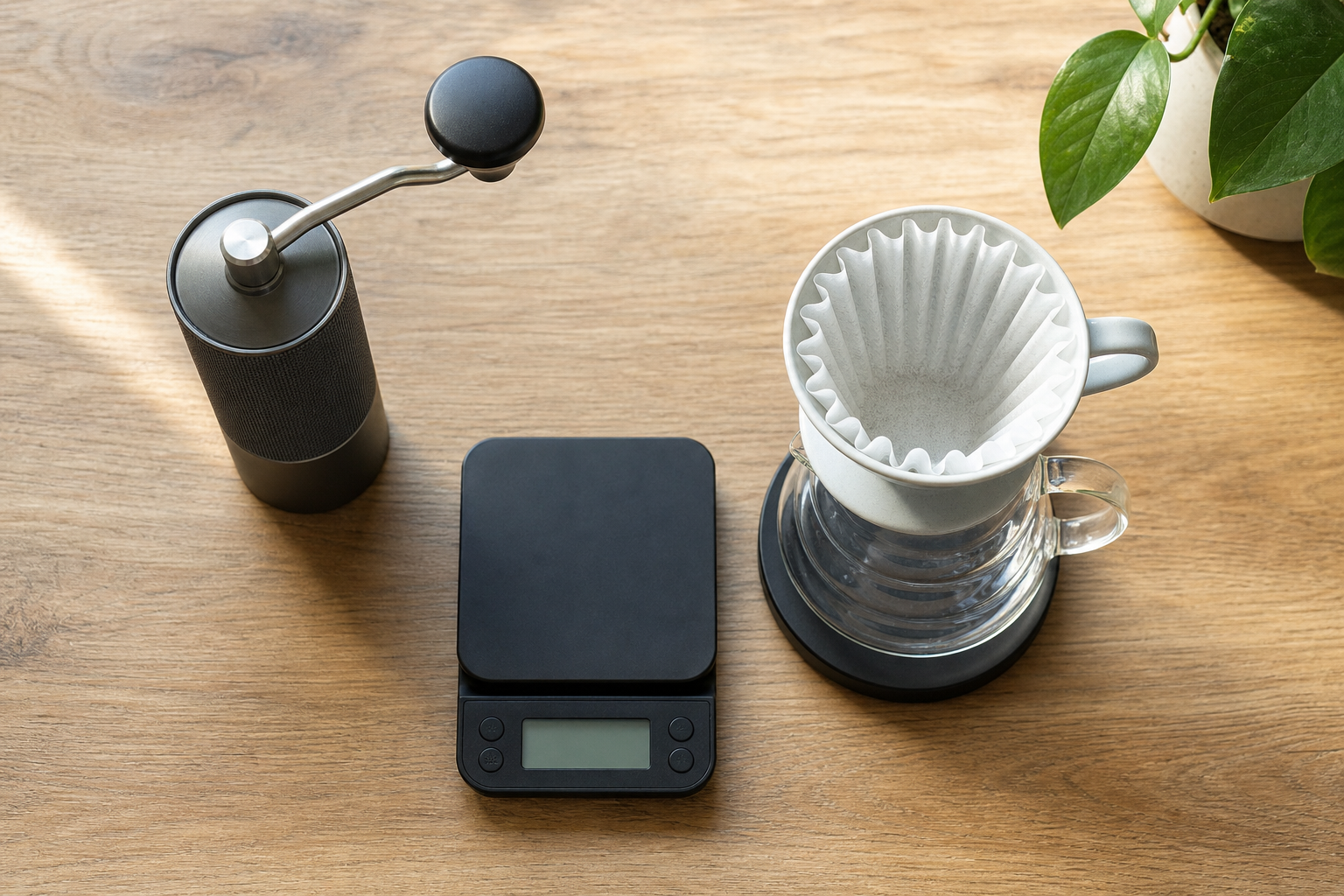
Grinding fresh is a simple way to get more from your beans.
What to Expect to Pay
Quality bagged coffee typically costs more than supermarket basics, but a good cup is still affordable per serving. Tieman's single bags start at $11.99 for medium ground, and semi-dark decaf ground is $12.99. Orders of six bags ship free, and you can also find the coffee at retailers such as Sprouts Farmers Market and Lazy Acres. Visit Tieman's to see current options.
Frequently Asked Questions
What are the best coffee beans?
The best coffee beans are fresh, 100% Arabica beans roasted to suit your taste and digestion. Clear sourcing and a reputable roaster matter as much as the label.
Are Arabica beans better than Robusta?
For flavor, most people prefer Arabica because it tastes smoother and less harsh. Robusta has more caffeine and a stronger, more bitter profile.
Which roast is best for beginners?
A medium roast is a friendly starting point. It balances sweetness, body, and brightness without tasting too sharp or too smoky.
Are dark roast beans stronger?
Dark roast tastes bolder, but it is not necessarily higher in caffeine. Roasting changes flavor far more than it changes caffeine content.
What are the best coffee beans for sensitive stomachs?
Low-acid, 100% Arabica beans are a common choice for sensitive stomachs. Dark roasts and cold brew also tend to taste gentler to many drinkers.
Should I buy whole bean or ground coffee?
Whole bean stays fresh longer and lets you control the grind. Ground coffee is faster and more convenient for busy mornings.
How can I tell if coffee beans are fresh?
Look for a roast date or a recent roasting window on the bag. Fresh beans smell aromatic and brew with a visible bloom of bubbles.
How should I store coffee beans?
Keep them in an airtight container in a cool, dark cupboard. Avoid humidity, heat, and direct light.
What is functional coffee?
Functional coffee blends coffee with added ingredients chosen for a wellness purpose. Tieman's, for example, brews matcha, rooibos, and goji into Arabica coffee.
Does low-acid coffee taste weaker?
No. Low-acid coffee can taste rich and full-bodied, often with a smoother finish.
How much do quality coffee beans cost?
Quality bagged coffee often runs from about ten to twenty dollars per bag. Tieman's single bags start at $11.99 when bought direct.
What is the most common mistake when buying coffee beans?
Buying large bags of stale coffee is the most common mistake. Choose freshness and a roast you enjoy over sheer quantity.
Conclusion
Finding the best coffee beans comes down to a few clear choices: Arabica for flavor, a roast that suits your palate, low acidity if your stomach is sensitive, and sourcing you can verify. Start with one bag, taste with intention, and adjust from there. When you are ready, shop Tieman's low-acid Fusion Coffee and make your daily cup work harder for you.
